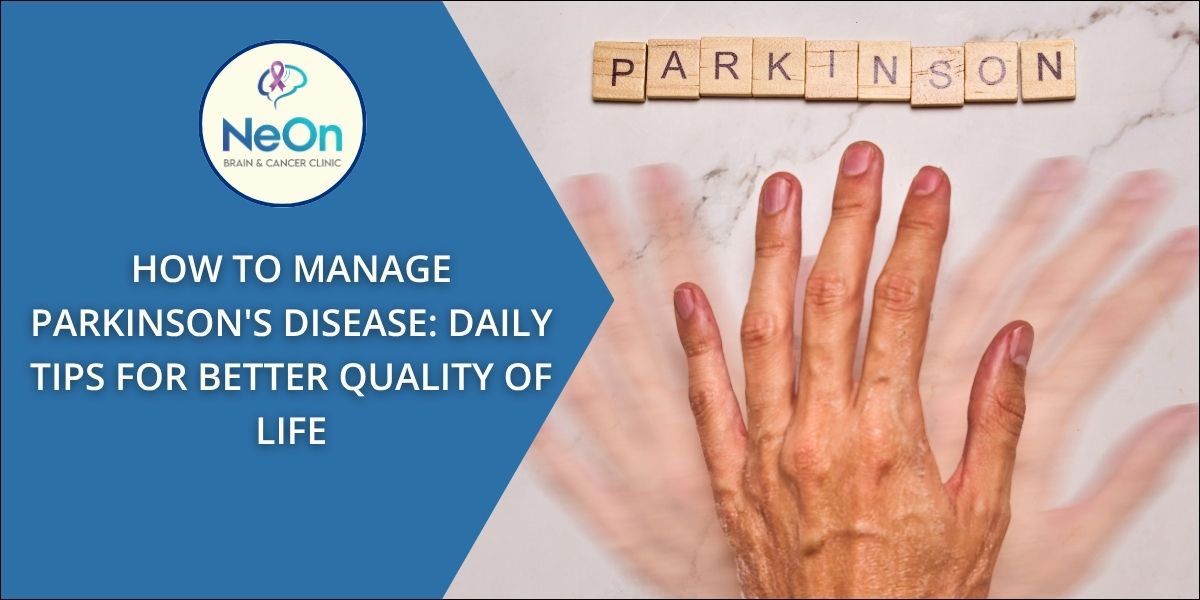
A Parkinson’s diagnosis changes a lot, but it doesn’t have to take over your life. Many people live active, meaningful years after diagnosis. The difference usually comes down to small daily habits, the right medicine routine, and a care team that adjusts treatment as things change.
What Is Parkinson’s Disease?
Parkinson’s disease is a progressive brain condition in which nerve cells that produce dopamine slowly stop working. Dopamine helps control smooth, coordinated movement. As levels drop, symptoms like tremor, stiffness, slowness and balance problems appear.
It isn’t only a movement disorder, though. Many people also notice constipation, poor sleep, low mood, anxiety, a softer voice or reduced sense of smell, sometimes years before the tremor starts.
Why Does Your Daily Routine Matter So Much?
Medicines ease symptoms, but they work best alongside a steady routine. Regular exercise, well-timed doses, good sleep and a safe home can reduce “off” periods, prevent falls and keep you independent for longer.
How Can You Manage Parkinson’s Disease Every Day?
1. Take Your Medicines on Time, Every Time
Timing matters more with Parkinson’s than with most conditions. Levodopa and similar drugs wear off within a few hours, and a delayed dose can mean a stiff, slow afternoon.
- Set phone alarms for every dose.
- If you take levodopa, try having it 30 to 60 minutes before meals. High-protein meals can reduce how much gets absorbed.
- Keep a simple diary of when symptoms improve and when they return. It helps your neurologist fine-tune doses.
- Never stop or change medicines on your own.
2. Move Your Body Daily
Exercise is one of the most useful tools you have. Research consistently links regular activity with better walking, balance and mood in Parkinson’s.
- Aerobic activity: brisk walking, cycling or swimming for about 30 minutes, most days.
- Strength work: light weights or resistance bands two to three times a week.
- Balance and flexibility: tai chi, yoga or simple stretching.
- Big movements: exaggerated arm swings and long steps counter the shrinking movements Parkinson’s causes.
A physiotherapist can design a safe plan for your stage.
3. Eat to Support Your Body
There’s no special Parkinson’s diet, but a few habits help a lot.
- Eat plenty of fibre (fruits, vegetables, whole grains, dal) and drink 6 to 8 glasses of water a day. Constipation is very common.
- Spread protein across the day rather than loading it at one meal if levodopa timing is an issue.
- Choose softer foods and take small bites if chewing or swallowing gets harder.
4. Make Your Home Fall-Proof
Falls are one of the biggest risks as the condition progresses. A few changes make a real difference:
- Remove loose rugs and clutter from walkways.
- Install grab bars in the bathroom and near the bed.
- Use night lights between the bedroom and toilet.
- Wear shoes with good grip, and avoid slippers without a back.
- Stand up slowly. Some Parkinson’s medicines can cause a drop in blood pressure.
5. Protect Your Sleep
Poor sleep makes every other symptom worse. Keep a fixed bedtime, limit tea and coffee after afternoon, and keep the bedroom cool and dark. If you act out dreams, kick or shout during sleep, tell your doctor. This can be REM sleep behaviour disorder, which is linked to Parkinson’s and treatable.
6. Keep Your Voice and Swallowing Strong
Many people speak more softly without realising it. Practise reading aloud daily, speak with intention, and sing if you enjoy it. A speech therapist can help with both voice and safe swallowing.
7. Look After Your Mind
Depression and anxiety affect a large share of people with Parkinson’s, and they’re part of the disease, not a weakness. Stay socially connected, keep hobbies going, and mention mood changes at every appointment. Support groups, counselling and medicines can all help.
When Should You See Your Neurologist?
Book a review if you notice:
- Medicines wearing off sooner than before
- Involuntary jerky movements (dyskinesia)
- Falls, freezing while walking, or choking on food
- Hallucinations, confusion or severe mood changes
For people whose symptoms are no longer well controlled by medicines, advanced options like deep brain stimulation (DBS) may be considered. At Neon Clinics, Dr. Sadique Pathan evaluates each patient individually to decide which treatment fits their stage and lifestyle.
Tips for Caregivers
Caring for someone with Parkinson’s is demanding. Encourage independence rather than doing everything for them, attend appointments together, and keep a shared medicine chart. Just as important, take breaks and ask for help. A rested caregiver gives better care.
Frequently Asked Questions
1. Can Parkinson’s disease be cured?
There’s no cure yet, but symptoms can be controlled well for many years with medicines, exercise, therapy and, in selected cases, deep brain stimulation.
2. What is the best exercise for Parkinson’s?
The best one is the one you’ll do regularly. A mix of brisk walking or cycling, strength training and balance work like tai chi gives the widest benefit.
3. Why do my medicines stop working before the next dose?
This is called “wearing off” and becomes common after a few years of treatment. Your neurologist can adjust dose timing or add medicines to smooth it out.
4. Does diet affect Parkinson’s medication?
Yes. Protein can compete with levodopa for absorption. Taking levodopa before meals, or spreading protein through the day, often helps.
5. Is Parkinson’s hereditary?
Most cases aren’t directly inherited. A small percentage are linked to specific genes, usually in people diagnosed at a younger age.
Take the Next Step Towards Better Days
Learning to manage Parkinson’s disease is an ongoing process, not a one-time fix. With the right medicine routine, daily movement and regular follow-ups, many people keep doing what they love for years.
Parkinson’s symptoms should never be ignored or brushed off as normal ageing. Early diagnosis and timely treatment can slow their impact on daily life and help you stay independent for longer.
If you or your loved one experiences tremors, stiffness, slowness of movement, balance problems, or other neurological symptoms, schedule a consultation with Dr. Sadique Pathan at Neon Brain & Cancer Clinic, Hadapsar. With expert neurological assessment, advanced diagnostics, and personalised treatment, you can receive the care needed to move with confidence and live better every day.
Call: +91 75584 43457
Visit: https://neonclinics.com/