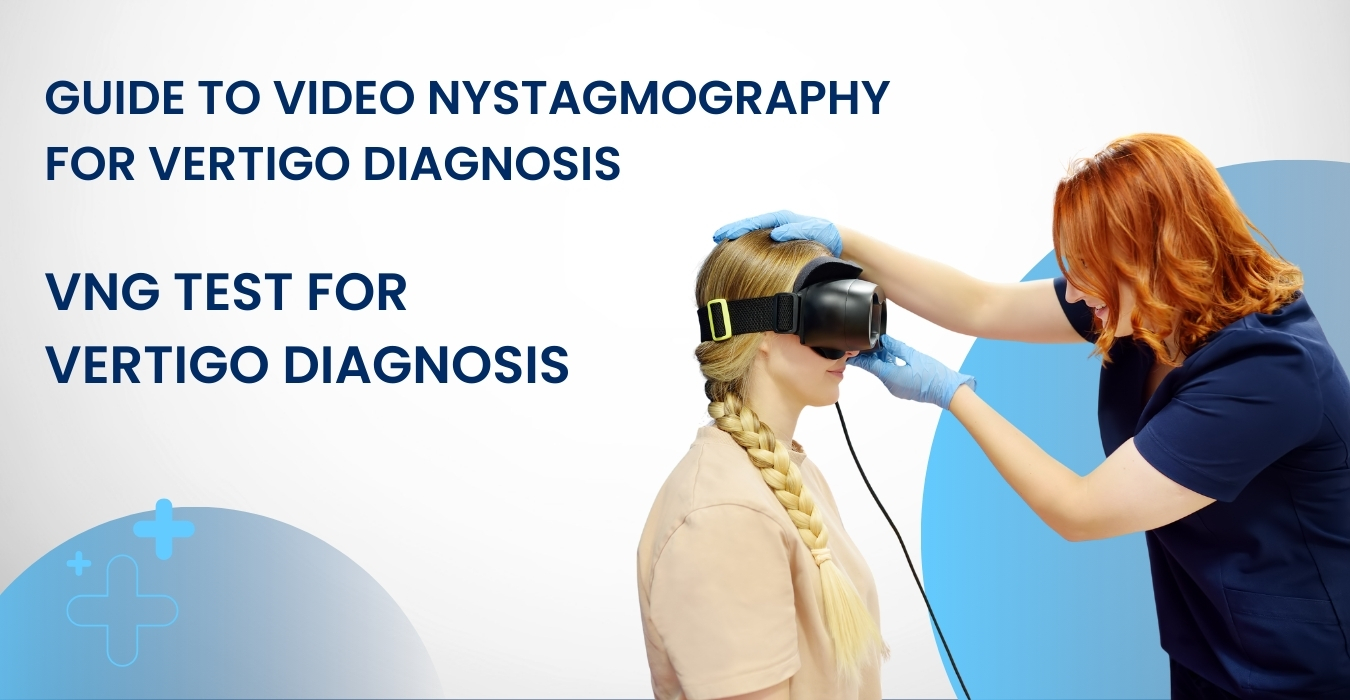
VNG (Videonystagmography) is a non-invasive diagnostic test that evaluates the function of the inner ear balance system (vestibular system) and its connection to the brain. It uses special infrared cameras inside goggles to track eye movements, which help specialists understand the cause of vertigo and dizziness.
This test is safe, painless, and highly effective in detecting problems related to balance disorders.
A VNG test is recommended if you experience symptoms such as:
Early diagnosis helps in faster and more effective treatment.
The VNG test is performed in 3 main stages:
1. Ocular Motor Test
Checks how well your eyes follow moving lights.
2. Positional Test
Examines eye movements when your head and body are moved into different positions.
3. Caloric Test
Warm and cold air or water is gently introduced into the ear canal to test inner ear balance response.
Each step helps pinpoint whether the vertigo is caused by inner ear problems or neurological conditions.
Accurate identification of vertigo causes
Differentiates between inner ear and brain-related disorders
Non-invasive and painless procedure
Helps doctors plan the right treatment
Improves long-term management of balance problems
Before the test, patients are advised to:
Avoid caffeine, alcohol, and sedatives for 24–48 hours
Avoid eye makeup on the day of the test
Inform the doctor about any medications
Eat a light meal before the procedure
If you are suffering from vertigo or unexplained dizziness, do not ignore the symptoms. A VNG Test for Vertigo Diagnosis at Neon Brain & Cancer Clinic, Hadapsar can help detect the cause early and guide proper treatment.
A VNG (Videonystagmography) test is a diagnostic procedure that evaluates eye movements to assess the function of the inner ear and balance system. It helps identify the cause of vertigo and dizziness.
A VNG test is done to determine whether vertigo is caused by inner ear problems or brain-related conditions. It helps doctors plan the most effective treatment.
No, the VNG test is completely painless and non-invasive. Some patients may feel slight dizziness during the test, but it is temporary.
A typical VNG test usually takes 45 to 90 minutes, depending on the patient’s condition and test requirements.
Yes. You should avoid caffeine, alcohol, sedatives, and eye makeup for 24 hours before the test. Also, inform your doctor about any medicines you are taking.
The VNG test is highly effective in detecting balance-related problems, especially inner ear disorders. However, additional tests may be required in some cases for complete diagnosis.
Yes, the VNG test is safe for all age groups. It is performed under medical supervision using advanced equipment.
In most cases, VNG test results are available on the same day or within 24 hours, depending on the clinic’s process.
Anyone experiencing symptoms such as vertigo, dizziness, frequent imbalance, nausea, or unexplained falls should consider a VNG test after consulting a specialist.
You can get an accurate VNG test at Neon Brain & Cancer Clinic, which offers advanced diagnostic facilities in Hadapsar, Pune.
WhatsApp us