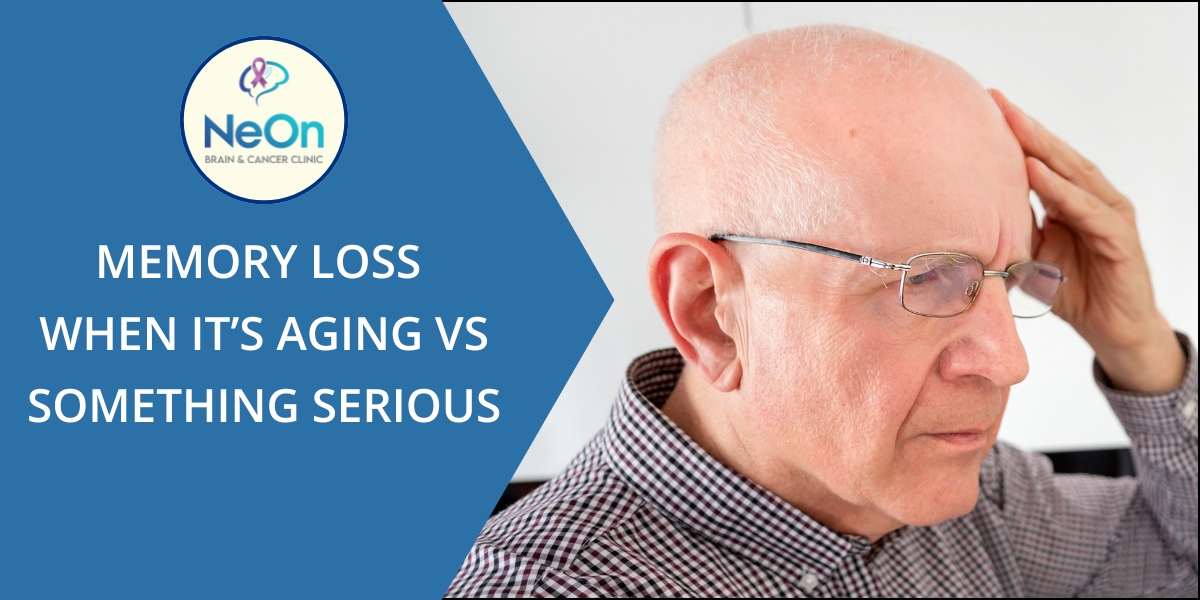
Forget where you put your keys? Blank on a colleague’s name? It’s common to worry when these moments happen. Memory changes are a natural part of aging, but how can you tell what’s normal and when it might signal a more serious condition?
Understanding Normal Age-Related Memory Changes
As we age, our brains undergo physical changes that can affect how quickly we process information and recall details. This is typical and usually doesn’t interfere significantly with daily life.
Common signs of normal aging include:
- Occasionally forgetting names or appointments but remembering them later.
- Taking a bit longer to learn new tasks or recall familiar words.
- Making minor errors in balancing a checkbook.
- Sometimes walking into a room and forgetting why you entered.
These are often referred to as “senior moments” and are generally not a cause for alarm. They tend to be sporadic and don’t worsen dramatically over a short period.
Red Flags: Signs That May Indicate a Serious Problem
When memory loss disrupts daily life, it could be a symptom of an underlying neurological condition. It’s important to recognize potential warning signs.
Concerning symptoms include:
- Forgetting recently learned information repeatedly, especially important dates or events.
- Difficulty completing familiar tasks at home or work, like following a recipe or managing a budget.
- Confusion with time or place, such as losing track of seasons or getting lost in familiar neighborhoods.
- New problems with words in speaking or writing, like struggling to follow or join a conversation.
- Misplacing things and being unable to retrace steps to find them.
- Decreased or poor judgment in personal care or financial decisions.
- Withdrawal from social activities or work projects due to cognitive challenges.
- Noticeable changes in mood, personality, or behavior, including increased anxiety, suspicion, or apathy.
These persistent and progressive symptoms could indicate conditions like Mild Cognitive Impairment (MCI), Alzheimer’s disease, other forms of dementia, or other medical issues such as vitamin deficiencies, thyroid problems, or medication side effects.
Key Differences at a Glance
| Normal Aging | Potentially Serious |
|---|---|
| Forgets a name but recalls later | Forgets the name of a close family member consistently |
| Occasionally misplaces items | Frequently loses items and accuses others of stealing |
| Makes a rare error managing finances | Unable to manage bills, shows poor financial judgment |
| May pause to find the right word | Struggles with vocabulary, calls things by the wrong name |
| Can learn and use new technology (with effort) | Becomes confused by or fearful of any new technology |
What Should You Do If You’re Concerned?
-
Don’t Panic. Stress can exacerbate memory issues. Many treatable conditions, like depression, sleep apnea, or vitamin B12 deficiency, can mimic serious memory problems.
-
See a Doctor. A primary care physician is a great first step. They can perform initial screenings and rule out common reversible causes.
-
Consult a Specialist. If concerns persist, a neurologist or geriatrician can conduct a comprehensive evaluation. This typically includes a detailed medical history, cognitive assessments, blood tests, and possibly brain imaging (like an MRI or CT scan).
-
Adopt Brain-Healthy Habits. Regardless of the cause, a healthy lifestyle supports brain function:
- Stay Physically Active: Regular exercise increases blood flow to the brain.
- Eat a Balanced Diet: Focus on fruits, vegetables, whole grains, and healthy fats (like the Mediterranean diet).
- Stay Socially and Mentally Engaged: Puzzles, reading, learning new skills, and social interaction build cognitive reserve.
- Manage Chronic Conditions: Control blood pressure, diabetes, and cholesterol.
- Get Quality Sleep: Aim for 7-9 hours per night.
While some memory lapses are a normal part of getting older, significant, persistent, and worsening changes are not. Trust your instincts—if you or a loved one’s memory loss is causing worry or disrupting life, it’s time to seek professional medical advice. Early evaluation is crucial for managing any condition effectively, finding treatable causes, and planning for the future.
Meet Dr. Sadique Pathan – Top Neurologist in Pune
Seeking expert neurological care in Pune, Dr. Sadique Pathan is a highly regarded specialist in the field. With extensive experience in diagnosing and managing complex memory disorders, dementias, and other neurological conditions.